
One Week Later, Monaco Feels Like a Turning Point
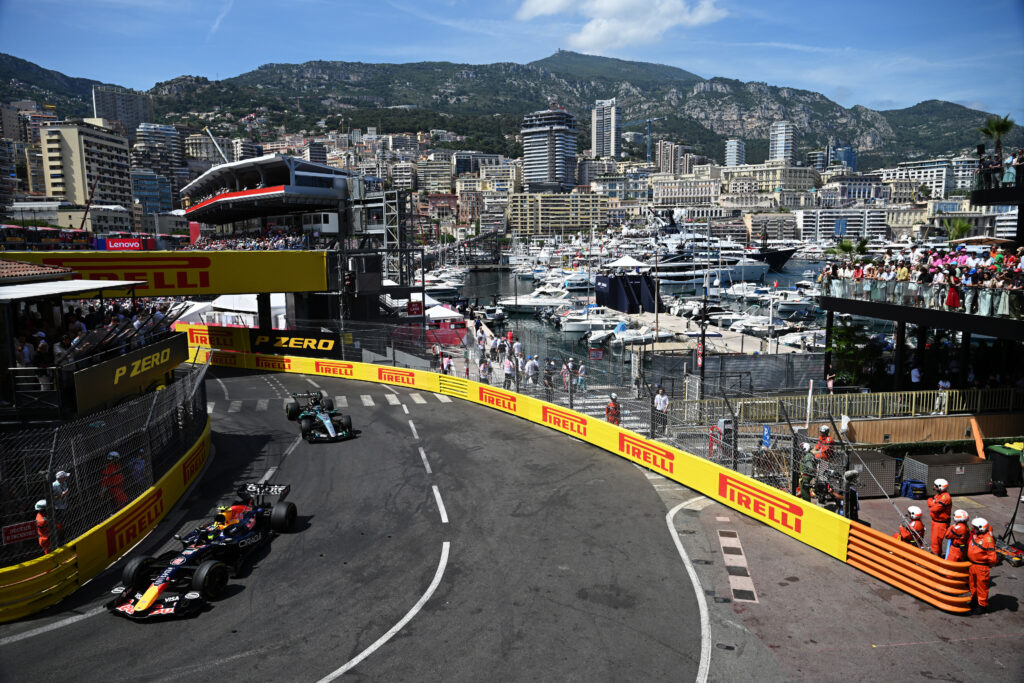
Editor’s Note: With another busy stretch of racing, travel, and life away from the track, this story arrives a little later than planned. Sometimes, however, a week of perspective reveals more than race day itself. Looking back now, the Monaco Grand Prix may have been one of the most important weekends of the 2026 Formula 1 season.
When Formula 1 arrived in Monaco, Andrea Kimi Antonelli was already one of the hottest stories in motorsport. By the time the paddock left Monte Carlo, he had become something more.
He had become the championship favorite.
Monaco remains one of the sport’s most prestigious events. The barriers sit inches from the racing line, mistakes are punished instantly, and the pressure can overwhelm even the most experienced drivers. Winning in Monaco has always meant something different.
For Antonelli, it may have meant everything.
The young Mercedes driver claimed his fifth consecutive Formula 1 victory on the streets of Monte Carlo, continuing one of the most remarkable rookie campaigns the sport has seen in years. Every race weekend seems to present a new test for the Italian. Leading a championship fight, handling expectations, managing pressure, and performing under the brightest spotlight in motorsport are challenges that have derailed many promising careers before they truly began.
Monaco provided another answer.
Antonelli isn’t slowing down.
While the victory itself was significant, the larger impact may have been what it did to the championship picture. Earlier in the season, George Russell appeared to be Mercedes’ most likely title contender. His experience and consistency made him the logical choice to lead the team through a championship battle.
Yet as the season has progressed, the narrative inside Mercedes has completely changed.
Antonelli is no longer the promising rookie learning alongside an established veteran. He has become the driver setting the pace. Monaco felt like the weekend where that shift became impossible to ignore.
At the same time, another storyline was quietly developing further down the order.
Lewis Hamilton continued building momentum with Ferrari, adding another strong result to what was beginning to look like a resurgence for both driver and team. Looking back after Barcelona, where Hamilton would go on to secure his first victory in Ferrari colors, Monaco now feels like the beginning of that story rather than simply another podium finish.
Yet for all the headlines surrounding Antonelli’s historic victory, Monaco’s longest-lasting story may have come after the checkered flag.
What should have been a straightforward post-race review quickly turned into one of the most confusing officiating controversies of the Formula 1 season.
A series of pit lane speeding penalties dramatically altered the finishing order. Drivers and teams questioned how the measurements were being calculated, arguing that changes to the Monaco pit lane layout and garage configurations had affected the distance being measured. The issue was not necessarily drivers exceeding the speed limit by significant margins, but rather whether the method used to calculate speed accurately reflected the path cars were actually taking through the pit lane.
As criticism mounted, the FIA initially defended its procedures and indicated teams had been made aware of how the measurements were being conducted.
The criticism did not stop.
Drivers continued raising concerns. Teams continued asking questions. What appeared to be a settled matter quickly evolved into a week-long debate over whether the penalties should have been issued in the first place.
Then came the reversal.
Days after the race had concluded, penalties were overturned and portions of the final classification changed. Pierre Gasly regained a podium position he had lost. Isack Hadjar, who had celebrated what should have been a career-defining result, suddenly found himself giving it back.
That may be the most frustrating part of the entire controversy.
Neither driver did anything wrong.
Gasly fought for his result on track. Hadjar celebrated a podium that the official results said he had earned. Both became victims of a process that left the sport looking uncertain about one of its own rulings.
In a championship where every point matters, the consequences extended far beyond a trophy presentation. Drivers lost positions, teams lost points, and the final order remained under discussion long after the cars had returned home.
Formula 1 prides itself on precision. Monaco became a reminder that even a discrepancy measured in meters can reshape podiums, championship standings, and public confidence in the sport’s officiating.
The controversy also overshadowed what should have been a straightforward conversation about Antonelli’s achievement.
Five consecutive victories.
A historic Monaco win.
A growing championship lead.
Instead, much of the week following the race was spent discussing penalties, appeals, and whether the FIA had gotten it right.
One week later, Monaco feels less like another stop on the calendar and more like a turning point.
For months, Antonelli had been viewed as the future of Formula 1.
Monaco was the moment he started looking like its present.
Yet while Antonelli left Monte Carlo with momentum, the FIA left with questions it spent the next week trying to answer.
And in the end, that may be the lasting fallout from Monaco.