
Indianapolis by Inches
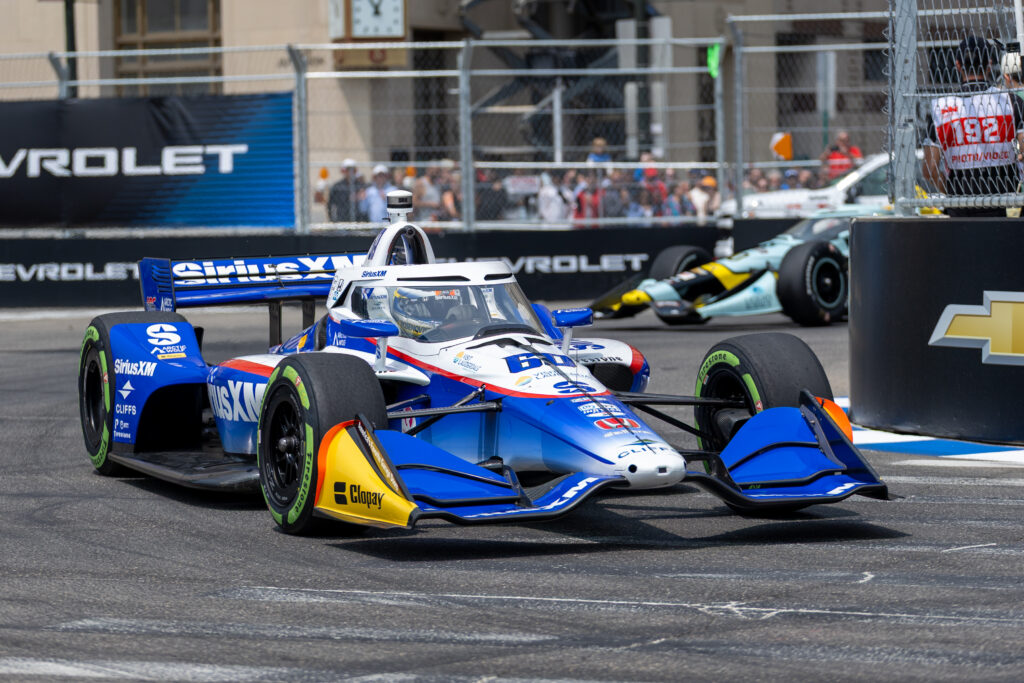
For years, IndyCar fans have defended the Indianapolis 500 with the same argument: there is nothing else in motorsports like it.
On Sunday afternoon, the 110th Running of the Indianapolis 500 proved exactly why.
Felix Rosenqvist crossed the Yard of Bricks just 0.0233 seconds ahead of David Malukas in the closest finish in Indianapolis 500 history, ending one of the wildest and most emotionally charged races the series has seen in years.
After 500 miles, hundreds of passes, multiple cautions, shifting fuel strategies, and nearly three hours of pressure at over 230 miles per hour, the difference between winning and losing came down to inches.
Not feet. Inches.
And in a year where many racing fans have grown frustrated with controversy, politics, penalties, and constant off-track drama in Formula 1, the Indy 500 arrived at the perfect time for American open-wheel racing. The race did not need artificial chaos or headlines manufactured outside the cockpit. The racing itself carried the story.
It was raw.
It was unpredictable.
And it reminded everyone why the Indianapolis 500 still matters.
Rosenqvist’s victory was not a dominant performance in the traditional sense. The Swede spent much of the afternoon lurking near the front while the race continuously reshuffled itself through cautions, pit strategy, and changing track conditions. Drivers who looked unbeatable early suddenly disappeared from contention. Others emerged late as fuel windows and tire management became critical in the closing stages.
David Malukas looked destined to finally capture the defining moment of his IndyCar career. Late in the race, he appeared calm, composed, and aggressive enough to control the lead pack. Every restart felt like a statement lap.
But Indianapolis has a way of refusing to crown a winner until the final straightaway.
Coming to the white flag, the top contenders were separated by almost nothing. Drafting became everything. Timing became everything. One tiny mistake meant the race was over.
Malukas led entering the final lap, but Rosenqvist stayed close enough to capitalize on the aerodynamic tow down the frontstretch. As the pair charged toward the finish line side-by-side, the crowd inside Indianapolis Motor Speedway erupted before most people even knew who had officially won.
The margin was so small that television replays barely captured it in real time.
Only after the official timing appeared did the reality settle in.
Felix Rosenqvist had finally won the Indianapolis 500.
That is part of what made the moment feel so important.
Rosenqvist has always been respected throughout the paddock, but he has rarely been treated like one of IndyCar’s headline stars. He built a reputation as one of the series’ quietly fast drivers. Smooth behind the wheel. Technically gifted. Consistently capable of producing speed without constantly finding himself at the center of attention.
Over the years, there were flashes of brilliance. Strong junior formula success. Wins in Formula E. IndyCar poles and podiums. Moments where he looked capable of becoming one of the series’ elite names.
But his IndyCar career often felt overshadowed by bigger personalities, powerhouse organizations, and bad timing. Consistency became difficult. Momentum disappeared just as quickly as it arrived.
That is why winning the Indianapolis 500 changes everything.
There are drivers with far more race wins who would trade several of them for a single victory at Indianapolis. Winning this race permanently changes how drivers are remembered. Winning it in the closest finish in the history of the event makes it unforgettable.
The race itself featured constant tension throughout the field. Several contenders cycled through the lead during differing fuel and tire strategies, while caution periods repeatedly erased advantages teams spent entire stints building. Drivers balanced aggression with survival, knowing one mistake at Indianapolis often ends with a destroyed car and a silent pit lane.
Instead, the closing laps turned into a pure sprint to history.
Even beyond the finish itself, the atmosphere surrounding this year’s Indy 500 felt important for the sport. IndyCar has quietly gained momentum throughout 2026 as racing fans search for authenticity and unpredictability in major motorsports. While Formula 1 continues to dominate globally, many fans have openly grown exhausted with regulatory drama, stewarding controversies, and political battles overshadowing the racing product itself.
Sunday was the opposite of that.
The Indianapolis 500 delivered a reminder that motorsport can still feel simple at its core: drivers risking everything for one moment.
No manufactured narratives were necessary.
No controversy had to carry the broadcast.
The racing spoke for itself.
And in the end, two cars arrived at the Yard of Bricks nearly side-by-side after 500 miles, producing the closest finish the Indianapolis 500 has ever seen.
That is not just a great IndyCar moment.
That is motorsport history.