
The Calm Before the Reset
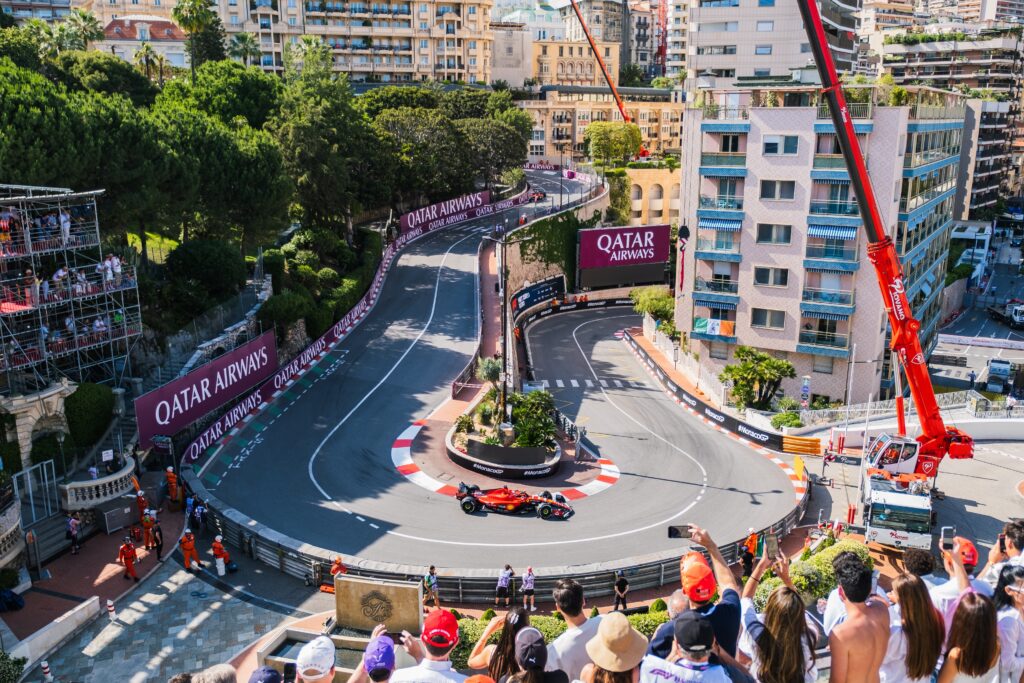
The calendar has turned, but Formula One is already looking ahead. Not to the next race weekend or the next development update, but to something far more consequential, a complete reset of how these cars are conceived, powered, and raced. The 2026 season is not simply another change on the calendar. It represents the closing chapter of one era and the quiet beginning of another.
The new year arrives with an unusual sense of pause across Formula One. There is no immediate urgency to chase lap times or headlines, only a growing awareness that the cars teams have come to understand are nearing the end of their relevance. Behind closed factory doors, design philosophies are being rewritten, assumptions are being challenged, and the future shape of the sport is slowly taking form. This is not the calm before a season, it is the calm before a reset.
At its core, this moment is about transition. Formula One stands at a crossroads between continuity and reinvention, carrying more than a decade of hybrid thinking into a season that demands something different. The 2026 regulations are not designed to erase the past, but to rebalance it, shifting where performance comes from and how it is used. The question facing the grid is no longer who has mastered the current formula, but who can adapt when that formula no longer applies.
Formula One enters this reset from a position of relative stability. The modern cars are refined, efficient, and deeply understood by the teams that built success around them. Years of incremental gains have produced a grid defined more by optimization than experimentation. At the same time, that stability has revealed its limits. Racing outcomes often hinge on execution rather than innovation, and overtaking has relied heavily on systems designed to compensate for aerodynamic constraints rather than eliminate them. The sport is healthy, but it is also constrained by the very solutions that once pushed it forward.
With the 2026 season approaching, Formula One enters its first true power unit reset since the introduction of the V6 turbo hybrid era in 2014. Before that shift, the sport was defined by naturally aspirated V8 engines. Since then, hybrid efficiency and energy recovery have shaped nearly every competitive advantage. In 2026, that balance changes. The new regulations introduce a reworked 1.6 liter turbocharged V6 running on 100% sustainable fuel, with power split far more evenly between internal combustion and electric deployment. It is not a clean break from the hybrid era, but a rebalancing that places greater emphasis on energy management, deployment timing, and driver input rather than sheer efficiency alone.
That shift extends beyond the power unit itself. The removal of the MGU H and the increased importance of the MGU K fundamentally change how performance is accessed over a lap. Roughly half of the car’s total output will now come from electrical energy, making deployment decisions a defining competitive factor. Teams are no longer designing purely for peak efficiency, but for how that energy is recovered, stored, and used under pressure. Strategy moves closer to the core of performance, influencing not just race outcomes but how the cars are driven corner by corner.
Overtaking reflects that same philosophical change. For more than a decade, DRS shaped racecraft through detection zones and automatic rear wing activation. In 2026, that approach is replaced by Manual Override Mode, known as MOM. Rather than reducing drag aerodynamically, MOM allows drivers to temporarily deploy additional electrical energy directly from the hybrid system. It is fully driver controlled, limited by available energy, and carries consequences if misused. Overtaking becomes less about being in the right place at the right time, and more about judgment, timing, and long term energy management. Racecraft is no longer separated from power unit strategy, it is defined by it.
A regulation reset also brings pressure long before a car ever turns a wheel in competition. Teams must commit early to design directions without knowing which interpretations will succeed. Engineers are asked to move away from habits refined over more than a decade. Drivers will eventually adapt to new deployment patterns, different braking characteristics, and altered race dynamics. Entire organizations are forced to redefine what performance looks like under a new rulebook. These transitions are rarely seamless, and the early stages of a new era often reveal strengths and weaknesses that statistics alone cannot capture.
As development accelerates toward 2026, the most important indicators may not be lap times or simulation figures, but philosophical choices. How teams balance electrical deployment against combustion power, how aggressively they design around energy recovery, and how they prepare drivers for a more decision driven form of racing will offer early clues. Testing and early races will not provide clear answers, but they will reveal patterns, signals of which approaches are sustainable and which may struggle once pressure is applied.
Formula One does not change direction often, but when it does, the effects last for years. The 2026 regulations represent more than a technical update. They mark a shift in how the sport intends to reward ingenuity, judgment, and adaptability. As the new era approaches, the most compelling story is not who will be fastest, but who will understand the change soonest. The cars will look different, behave differently, and demand more from those who drive and design them. What follows will not be immediate clarity, but discovery, and that uncertainty is precisely what makes this moment matter.